Steel Gate Rinse and Inspection Schedule for Carlsbad Coastal Air

A steel gate within sight or sound of the ocean in Carlsbad should get a freshwater rinse about once a month and a hands-on inspection every season. Gates farther inland, toward La Costa, can usually stretch the rinse to every two to three months. Those are starting points, not fixed rules. If the metal feels gritty or shows white residue, rinse sooner.
Why a Dry-Looking Gate Can Still Be Corroding
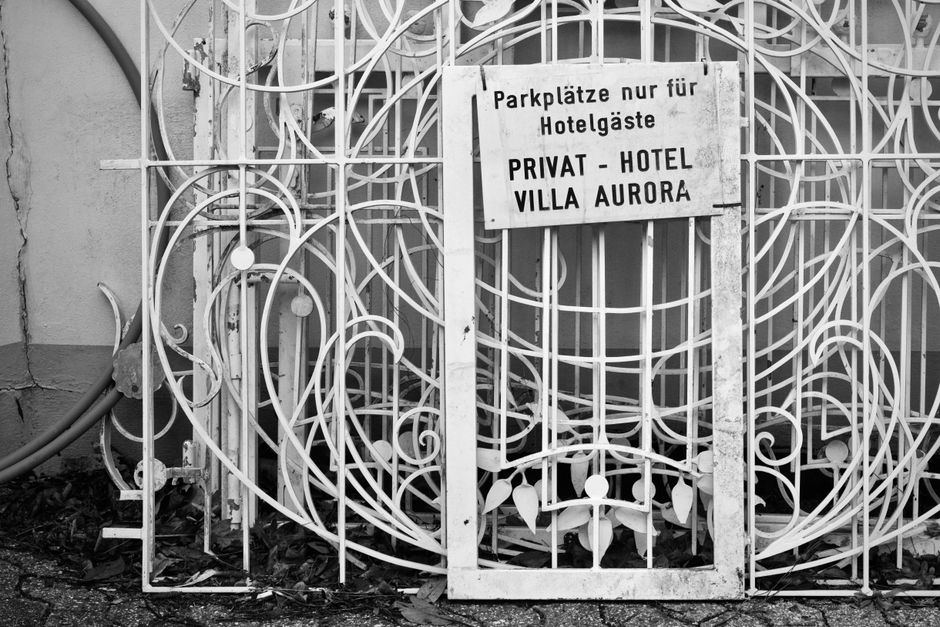
Salt in coastal air settles on steel as a fine film that is often invisible. That film pulls moisture out of the air and holds it against the metal, so a gate can be corroding overnight even when it looks dry.
Carlsbad's marine layer and steady onshore breeze bring salt and morning dampness most of the year. Gates on the west side of town, near the bluffs along Carlsbad Boulevard, in the Village, or in Terramar, generally need more frequent care than gates farther inland.
Rain does not solve the problem. Carlsbad gets little rain from late spring through fall, so salt builds up for months with no natural rinse. Even in winter, rain only reaches exposed tops and faces. Sheltered surfaces stay coated.
Salt air is also not only a beachfront concern. Homes several blocks back still get the breeze and the morning dampness, just with a lighter dose.
How to Rinse a Steel Gate
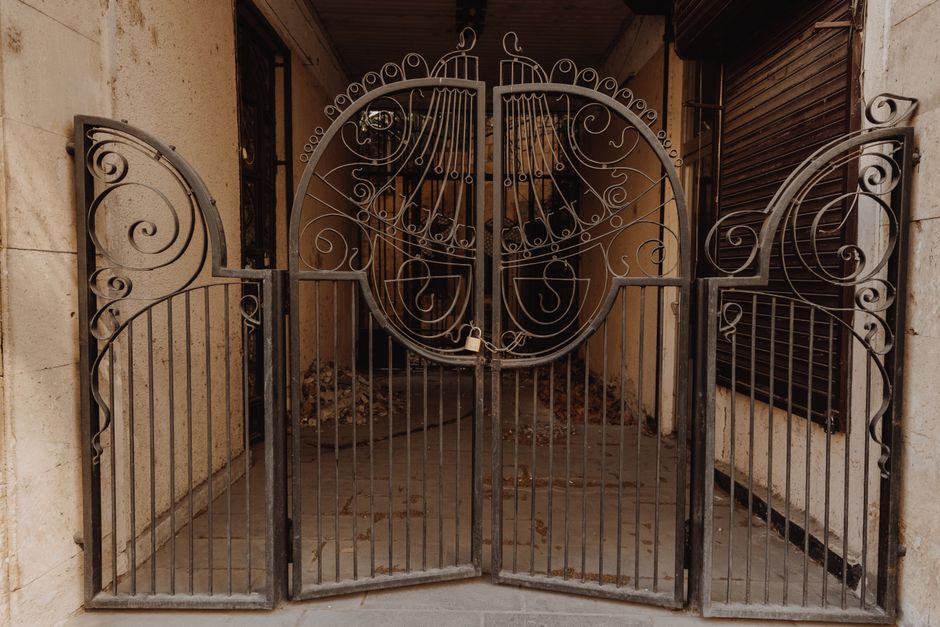
Use a garden hose at normal pressure and work from the top down, so salt runs off the gate instead of onto sections you already cleaned. Rinse in the morning once the marine layer starts to burn off, so the gate dries in sun and breeze instead of staying wet into the evening damp.
Every so often, wash with a mild, pH neutral soap and a soft brush or sponge, then rinse thoroughly. Plain water leaves a thin film of salt and grime on rough welds and textured finishes, and soap lifts it.
Skip the pressure washer, or keep the tip well back if you must use one. Concentrated pressure can lift paint at edges and chips, push water into seams and hollow tubing, and open up the exact spots where rust begins.
Do not forget the sheltered spots
Winter rain rinses exposed tops, but the undersides of rails, the inside faces of pickets, and areas under eaves or behind landscaping never get washed. Those spots often rust first. Reach them with a wet sponge or a hose angled upward.
Keep Water Sources and Debris Away
Aim sprinkler heads away from the gate. If your landscape irrigation uses recycled water (purple pipe), overspray leaves extra mineral and salt residue on metal, so rinse those areas with potable water.
Pull soil, mulch, gravel, and leaf litter back from the bottom rail and the base of each post. Constant contact with damp material keeps steel wet and speeds corrosion. A small gap of clear air at the bottom does a lot of quiet work.
Hinges, Latches, and Drop Rods
Lubricate moving hardware every few months near the coast. Clean off old gritty grease first, then apply a grease or lubricant made for marine or outdoor use.
A light penetrating spray is useful for freeing a stuck part, but it washes off quickly and is not a lasting lubricant. After applying the real lubricant, wipe away the excess. Heavy, sticky buildup attracts sand and grit, which wears pins and bushings faster. More grease is not better grease.
Touch Ups: Catch Chips Early
Treat chips and scratches as soon as you see them. The steps are simple:
- Remove loose rust down to sound, bright metal with a wire brush or abrasive pad.
- Wipe the area clean and let it dry fully.
- Apply a rust inhibiting or zinc rich primer.
- Finish with a compatible topcoat.
Painting straight over rust does not seal it. Corrosion keeps working underneath and the new paint fails. Timing matters too: work on a dry, mild day after the morning marine layer has burned off. Primer applied over damp or salty metal will not bond well and can trap moisture underneath.
What to Look For During an Inspection
A gate that looks fine on the surface can still have trouble hiding under paint or inside tubing, so inspect with your hands and eyes up close.
- Bottom rail and post bases. Water, salt, sprinkler spray, and debris collect here, and rust at the bottom usually goes further than it looks.
- Welds and joints. Orange bleeding, bubbling, or flaking paint at a weld means moisture has gotten under the coating. Rust spreads sideways under paint well beyond the visible spot, so treat it right away.
- Hollow tubing. Condensation can collect inside and rust the steel from the inside out. Confirm that weep or drain holes at low points are open and that post tops have caps so water cannot pour in.
- Fasteners and hardware. Look for rust streaks or swelling around bolt heads. Replacement hardware should be corrosion resistant and suited to the gate material, since mixing certain metals in a damp, salty setting can speed corrosion where they touch.
- Alignment. If the latch no longer lines up, the gate drags, or you have to lift it to close it, look for a worn hinge, a loose fastener, or a post shifting or rusting at its base.
Pool and spa gates
Test the self-closing hinge and latch every season. Salt and grit can slow a closer or keep a latch from catching, which defeats the purpose of the gate.
Automatic gates
Rinse and inspect the track, wheels, chain or drive parts, and the operator housing seal. Clear any sand buildup in the track. Wind-blown sand is common close to the beach and near the lagoons.
A Seasonal Calendar for Carlsbad
- Spring: Do a full inspection and handle touch ups before the dry months begin.
- Summer: Keep up the rinse schedule. With no rain, salt accumulates the fastest now.
- Fall: Rinse after dry, gusty offshore wind events, when dust and grit settle into hinges and onto coatings. This is also the right time to lubricate, before winter rains.
- Winter: Check bases and drainage after storms, and clean the sheltered areas the rain missed.
When It Is Time to Call a Professional
Touch up paint handles surface problems only. Call a gate or welding professional when rust has caused holes, swelling between layers of metal, cracked welds, or a post that moves at its base. Those are structural issues, and the sooner they are assessed, the more of the original gate can usually be saved.
Coatings Help, but They Do Not Replace Care
Galvanizing, powder coating, and stainless steel all slow corrosion, but none of them removes the need to rinse and look things over near the ocean. Chips, cut edges, and weld areas are where protection is thinnest. A short monthly rinse and a seasonal walk-around are what keep a coastal Carlsbad steel gate looking right for years.