Best Latch and Lock Hardware for a Steel Gate in Carlsbad
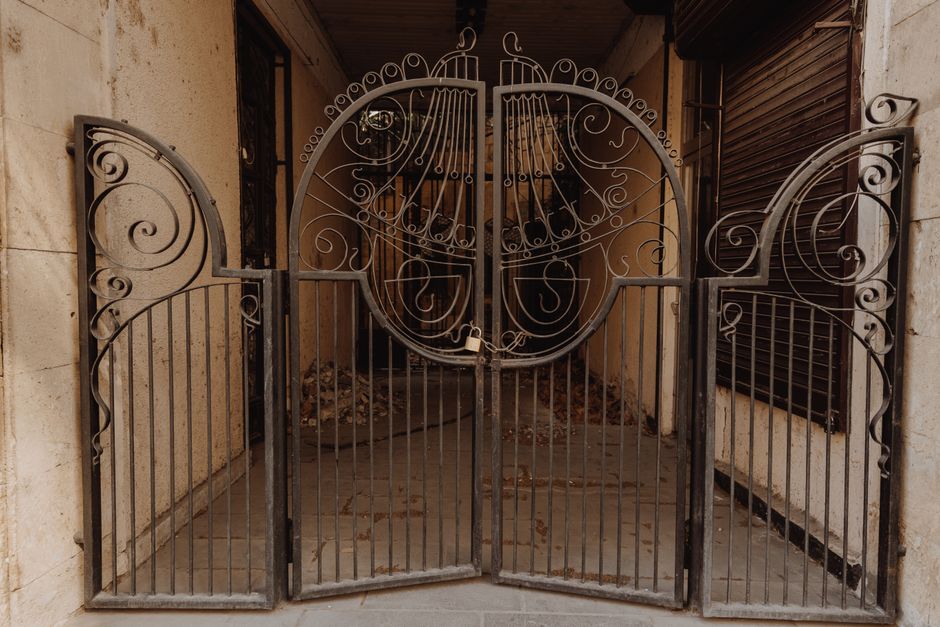
The best latch for a steel gate in Carlsbad is the one that lines up with a gate that hangs true, in a metal that can survive salt air. Hardware choice matters, but alignment and corrosion decide whether any latch lasts. A premium lock bolted to a sagging gate will miss its keeper just like the cheap one it replaced.
Fix the Hinge Side Before Buying a Latch
Most latch complaints on steel gates start at the hinges, not the latch. Worn hinges, loose hinge bolts or a leaning hinge post let the gate drop, and a dropped gate misses its catch.
Close the gate slowly and watch where the latch bar meets the keeper. If you have to lift or push the gate to make it catch, the gate has sagged or the post has moved. Measure the gap on the latch side at the top and at the bottom. An uneven gap means the gate is racked.
A heavier or more expensive latch will not cure a gate that sags or misses. Correct the hang first. Adjustable hinges with threaded bolts let you pull a gate back into line, and they make any latch more forgiving over the years, so they are worth choosing whenever hardware is replaced.
Mount Everything on a Solid Post
Set the latch on a post anchored in concrete. A thin fence post or a flexing frame member drifts out of line each time the gate swings shut against it. Add a separate gate stop as well, so the latch is not also the stop. When a gate slams into its latch on every close, the latch bends, the screws loosen and the alignment wanders.
Gravity Latches: Simple, but Only When the Gate Closes Fully
A gravity latch has a pivoting bar that drops into a keeper as the gate swings shut. It has few parts, it works without a key, and it suits a steel gate that swings freely.
The catch is in the name. A gravity latch only engages if the gate swings fully into it. A gate that stops short because of sag, wind or a binding hinge will not be grabbed, so a gravity latch alone does not make a gate self-latching. Test it by letting the gate close gently on its own rather than pushing it.
Clay soil is worth planning for. Parts of Carlsbad have clay that swells with winter rain and shrinks as it dries, so posts can shift slightly through the year. A latch with a tall keeper or a generous catch window tolerates that vertical movement and keeps working.
Gravity latches can usually take a padlock or a built-in lock, which gives a second layer when privacy matters.
Keyed Locks: Good Security, More Upkeep Near the Coast
A keyed lock adds real security, but the cylinder is the weak point in fog and salt. An exposed cylinder stiffens and can eventually seize. Choose a lock with a keyway cover or weather shroud, lubricate it with a dry lock lubricant or graphite, and work the key a few times every so often so the pins do not freeze.
A penetrating spray is not a long-term lubricant for locks and latches by the coast. It can free a stiff part for a day, but it does not protect it.
Padlocks and Hasps
For a padlock, pick a stainless or marine-rated body and shackle. A solid brass body resists rust, yet brass is not rustproof as a whole, because the shackle and internal parts are often plain steel. A shrouded hasp keeps salt spray and pry tools away from the shackle.
Think About Getting Out
A lock that needs a key from both sides can trap someone behind a side gate in an emergency. A latch with an inside release and outside key access, or a lockable gravity latch reachable from the inside, avoids that problem.
Drop Rods for Double Gates
On a double gate, the leaf that stays closed needs a drop rod, also called a cane bolt, set into the ground. Without one, the latch only holds two moving leaves against each other, and both can be pushed open.
Receivers fill with dirt in soil or gravel, and the rod stops dropping fully. Use a short pipe sleeve set in concrete with a drain path below it, and clear it out periodically. A hole drilled in a concrete slab collects sand and water the same way, so check it too.
Add a second receiver at the open position. Santa Ana winds can swing an unsecured open leaf hard, bending hinges and knocking the latch out of line. A rod that holds the gate open prevents that.
Hardware Metals: What Holds Up Near Carlsbad
Along the coast, salt is the main enemy of gate hardware. Homes in the Village and Terramar, and those near Agua Hedionda and Batiquitos lagoons, get salt air and marine layer moisture almost daily. Inland areas such as La Costa or Calavera Hills are gentler, but they are not salt free.
- Zinc-plated, bright-finish or painted mild steel: rusts quickly at the coast.
- Hot-dip galvanized: carries a much thicker zinc coating than electroplated parts and lasts far longer outdoors. Electroplated parts look the same in the store but fail early near the ocean.
- 304 stainless: better, but it often shows brown tea staining and pitting in salt air. Stainless does not mean it never rusts.
- 316 stainless: the better choice for coastal homes when it is available, and it holds up noticeably better.
Hardware rated for outdoor use is not automatically suitable for a coastal salt environment. Look for the specific material and finish.
Avoid Mixing Metals Carelessly
Stainless, brass, aluminum, zinc and plain steel in direct contact can corrode each other when salty moisture bridges them. Use matching fasteners where you can. Where you cannot, separate the metals with nylon or neoprene washers.
Protect the Steel Where the Hardware Attaches
Every hole drilled into a powder-coated or galvanized gate exposes bare steel. Seal the hole edges with a zinc-rich primer or cold galvanizing compound before mounting the hardware, then touch up the finish. Rust usually starts at screw holes and creeps under the coating from there.
Weld-on keepers and latch brackets do not loosen, but the weld and the heat zone around it lose their coating. Grind the weld, then prime and paint it right away. An uncoated weld is usually the first spot to rust.
Powder coat or galvanizing does not make hardware maintenance free near the ocean. It slows the problem and buys time.
Keep It Working: Rinsing and Lubrication
Carlsbad gets little rain for much of the year, so salt crusts build up on latches, hinges and lock bodies and nothing washes them off. Rinse coastal hardware with fresh water on a regular schedule, and pay extra attention to sheltered spots under caps and inside latch housings.
Lubricate gravity latch pivots and hinges with a marine grease or a dry PTFE lubricant. Light oils attract sand and grit, which turns into a grinding paste near the beach.
Do Not Forget the Hinge Pins
A strong lock does nothing if the hinge pins can be lifted out. A better lock does not make a gate secure when the gate can be lifted off its hinges. On a gate with lift-off hinges, cap, peen or weld the pin tops, or reverse a hinge so the gate cannot be lifted off from the outside.
Signs the Hardware Is Failing
- Rust streaks running down from fasteners
- A latch you have to lift the gate to engage
- A key that turns stiffly
- A drop rod that will not fall fully into its receiver
- Bubbling paint around the mounting plates
Each of these tends to get worse quickly in salt air, so act early.
Pool and Spa Gates
If the gate encloses a pool or spa, check what latch and closing hardware applies before changing anything. Pool gates are the one place where the hardware choice is not just a matter of preference.
Putting It Together
For most Carlsbad steel gates, a well-aligned gate on adjustable hinges, a gravity latch with a tall keeper, a shrouded lock or padlock in 316 stainless or hot-dip galvanized parts, and a drop rod in a drained sleeve for double gates make a durable setup. Rinse it, lubricate it with the right products, and seal every drilled hole. A gate that hangs true and a finish that is kept intact do more for a latch than any upgrade in price.